
More about sciatica
Sciatica is pain that radiates down the back of your leg, caused by irritation or compression of the sciatic nerve as it leaves your lower back. It can range from a mild ache to sharp, severe pain that makes it hard to sit, stand or sleep. We always start with a full assessment, so we can identify exactly what’s driving your symptoms and build the right plan to resolve them. Here are some of the most common causes of sciatica we see:
- Herniated or bulging disc pressing on the nerve root
- Spinal stenosis (narrowing of the space around the nerve)
- Piriformis syndrome (muscle tightness compressing the nerve)
- Degenerative changes in the spine
- Spondylolisthesis (a vertebra slipping out of position)
- Muscle tension and joint dysfunction in the spine or pelvis referring pain down the leg
- Pregnancy-related nerve compression
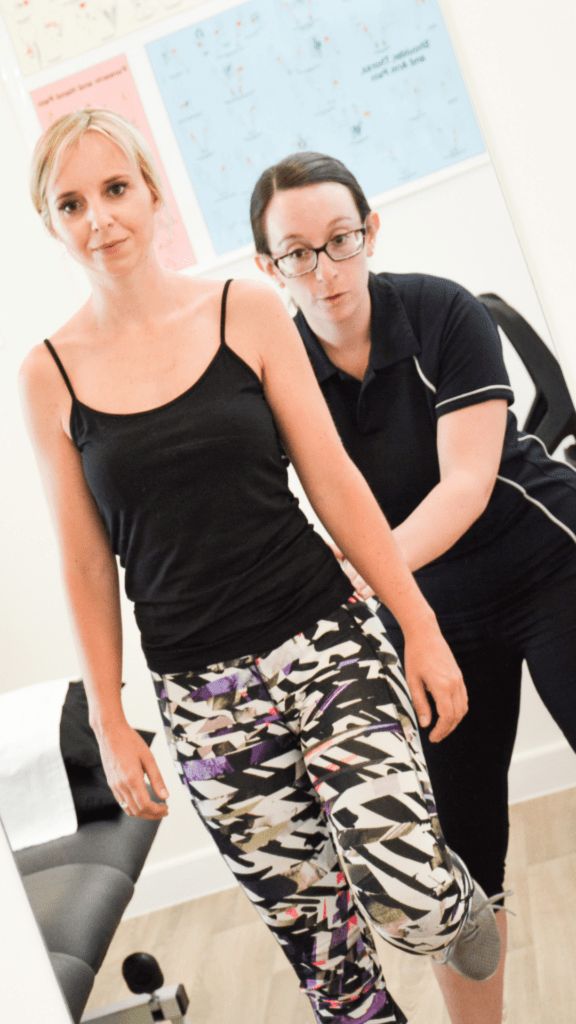
Sciatica can feel alarming, especially when the pain runs all the way to your foot, but with the right diagnosis and treatment it usually settles well. Rarely, sciatica symptoms can indicate something more serious, so our assessment always screens for this and we’ll refer you on without delay if needed. Here’s the latest NICE guideline on the management of low back pain & sciatica. Clinically reviewed by Paul Baker MCSP, Co-founder & Clinical Director at goPhysio.

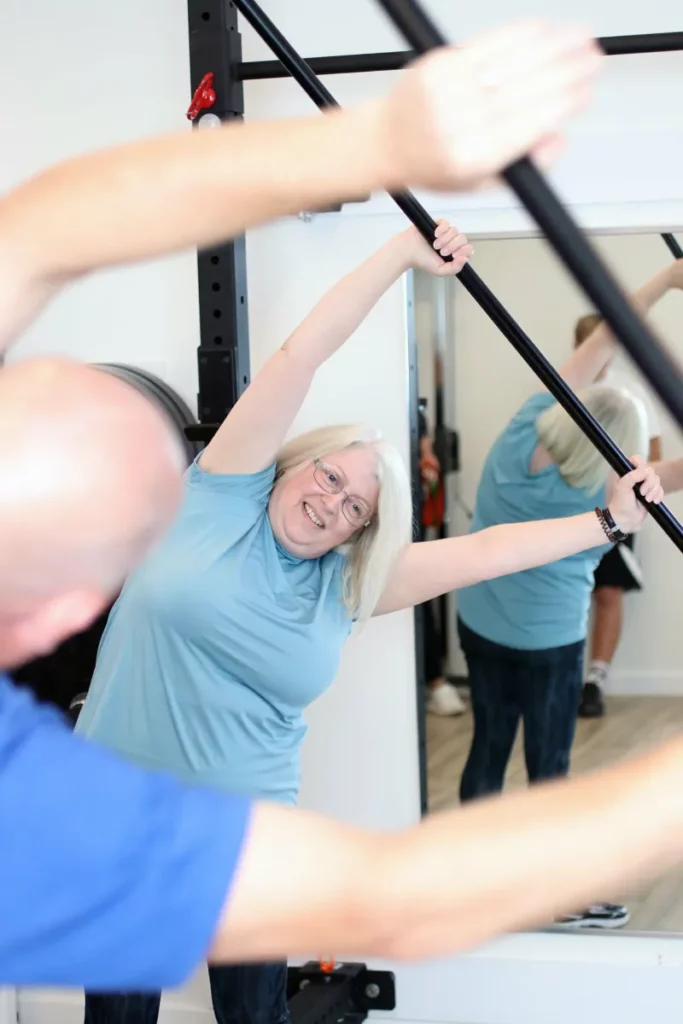
I have been attending Pilates weekly for a few years after suffering with sciatica from a disc injury. Its really helped with my recovery and I feel a lot stronger than I ever have. Classes are small so there is more focus on individual needs. Friendly staff and great facilities. Highly recommend.
K. CHURCHOUSE
Can physiotherapy help my sciatica?
Yes – physiotherapy is one of the most effective first-line treatments for sciatica. We focus on identifying exactly what’s compressing or irritating the nerve, not just treating where you feel the pain. Your treatment may include:
- Reassurance and advice (this is more powerful than you may think!)
- Hands-on treatment, including soft tissue release and joint mobilisation
- A graded exercise programme to ease pressure on the nerve and rebuild strength
- Acupuncture
- Exercise-based rehab or clinical Pilates, particularly if it’s recurrent or long-standing
The goal throughout: calm the nerve irritation, restore movement, and help you stay pain-free long term.
Not sure what to do next?
- Ready to get started? → Book Your Sciatica Assessment
- Think it might be general back pain instead? → Read About Back Pain
- Want to know what treatment actually involves? → See What a Physiotherapy Appointment Looks Like