
More about back pain
Back pain is one of the most common reasons people see a physiotherapist, and it can affect your sleep, work, and day-to-day movement. Whether it started suddenly after lifting, has built up gradually, or keeps flaring up, physiotherapy helps you understand what’s happening and gives you a clear, personalised plan to resolve it.
At goPhysio, we don’t just treat symptoms – we create a clear, personalised plan to help you:
- Reduce pain
- Restore movement
- Build long-term strength and confidence
What might be causing it?
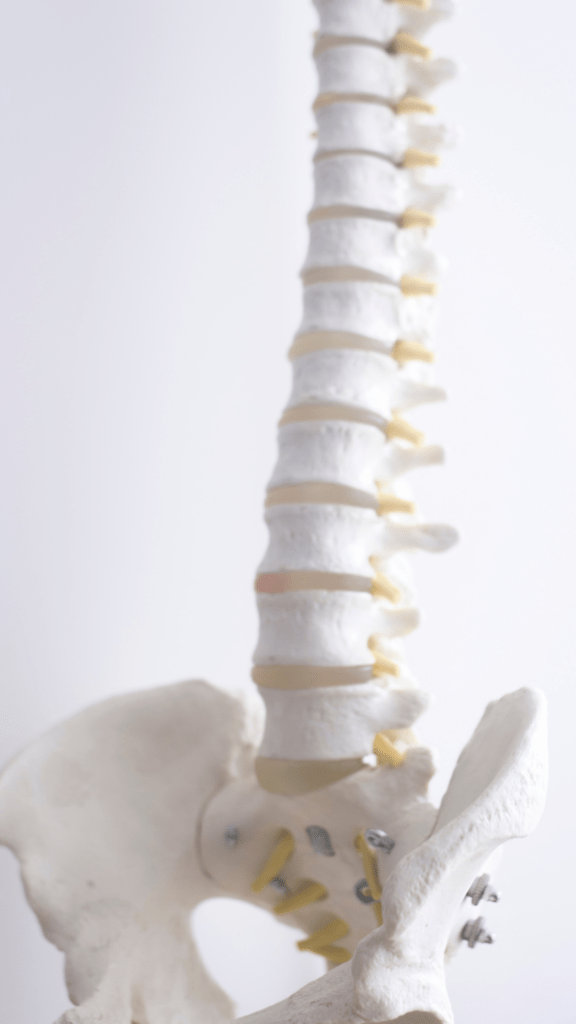
Back pain is rarely down to one single cause – it’s usually a combination of factors, from how you move and sit to how you’re coping with stress. Below are the causes we see most often, though every case is different, which is why we always start with a full assessment.
- Muscle or ligament strain (often from lifting, twisting, or sudden movement)
- Joint stiffness or irritation in the spine
- Disc-related problems (such as a bulge or irritation)
- Postural overload from prolonged sitting or desk work
- Reduced strength or control around the spine
- Stress and tension, which can increase muscle tightness and sensitivity
Sometimes back pain feels severe, but that doesn’t always mean serious damage – part of our role is helping you understand exactly what’s going on, clearly and confidently. Here’s the latest NICE guideline on the management of low back pain & sciatica. Clinically reviewed by Paul Baker MCSP, Co-founder & Clinical Director at goPhysio

Very efficient staff. My back pain treatment through physiotherapy was 100% successful within 3 weeks after having endured this disability for decades. My physiotherapist was clear in his explanations and diagnosis and there was total professionalism which gave me confidence in getting better. Physiotherapy was followed by weekly pilates which is conducted in small groups with a high degree of care and attention. Thank you.
A. MAY
Can Physio help?
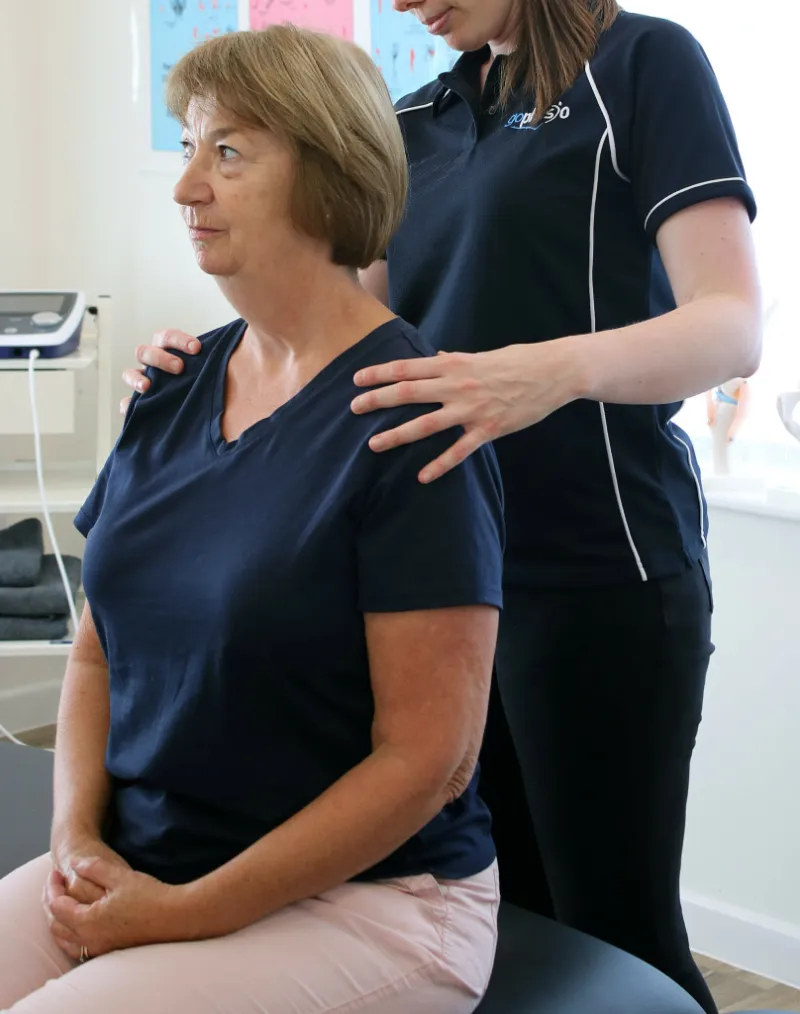
Yes, in most cases, physiotherapy is one of the most effective ways to treat back pain. We focus on identifying the real drivers of your pain, not just where it hurts. Your treatment may include:
- Hands-on treatment to ease pain and improve movement
- Targeted exercises, Pilates or rehab to restore strength and control
- Advice on posture, movement, and daily activities
- A clear recovery plan so you know what to expect
The goal throughout: reduce your pain, rebuild strength and movement, and help you stay pain-free long term.
What happens in the first appointment?
Your first session is all about understanding you and your back pain properly. We will:
- Listen to your story and how the pain is affecting you
- Assess your movement, strength, and mobility
- Identify the likely cause of your symptoms
- Explain your diagnosis in clear, simple terms
- Start treatment straight away where appropriate
Before you leave, you’ll have a clear plan outlining:
- What’s going on
- What to expect
- What you can start doing immediately
Not sure what to do next?
- Ready to get started? → Book Your Back Pain Assessment
- Want to know what treatment actually involves? → See What a Physiotherapy Appointment Looks Like
- Think it might be sciatica instead? → Read About Sciatica