
More about knee pain
Knee pain is rarely down to one single cause, it’s often a combination of factors, from old injuries and joint wear to how your hip and foot are working. Here are the causes we see most often, though every case is different, which is why we always start with a full assessment.
- Ligament tears or strains, such as ACL or MCL injuries
- Arthritis
- Patellofemoral problems, such as tendinopathy, mal-tracking or anterior knee pain
- Bursitis (including “housemaid’s knee”)
- Osgood-Schlatter’s disease and other adolescent knee pain, common during growth spurts
- Meniscus (cartilage) damage
- Muscle tears or overuse injuries, such as ITB friction syndrome – common among runners
- Sports injuries from activities like triathlon, cycling, running and skiing
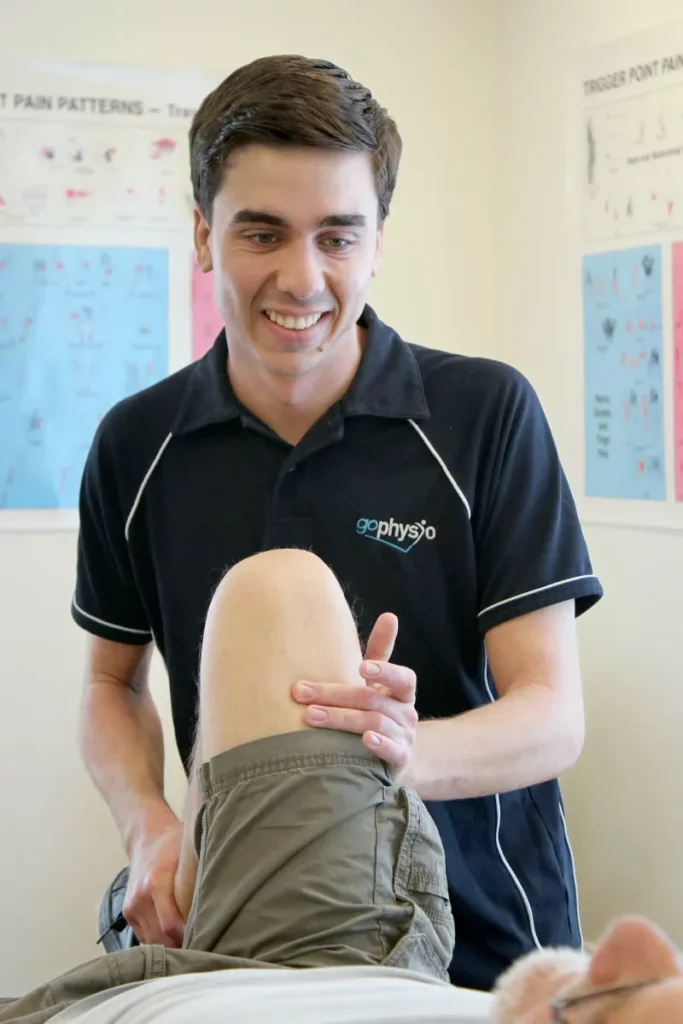
A lot of knee pain looks and feels worse than it actually is – clicking, swelling or stiffness often don’t automatically mean serious damage. Part of our role is helping you understand exactly what’s going on, clearly and confidently. Clinically reviewed by Paul Baker, MCSP

Treatment you can trust! They helped me get rid of my knee pain, something I didn’t believe was possible, and THEN they helped me get stronger and improve my running form. I highly recommend – to all ages!
J. Howell
Can physiotherapy help my knee pain?
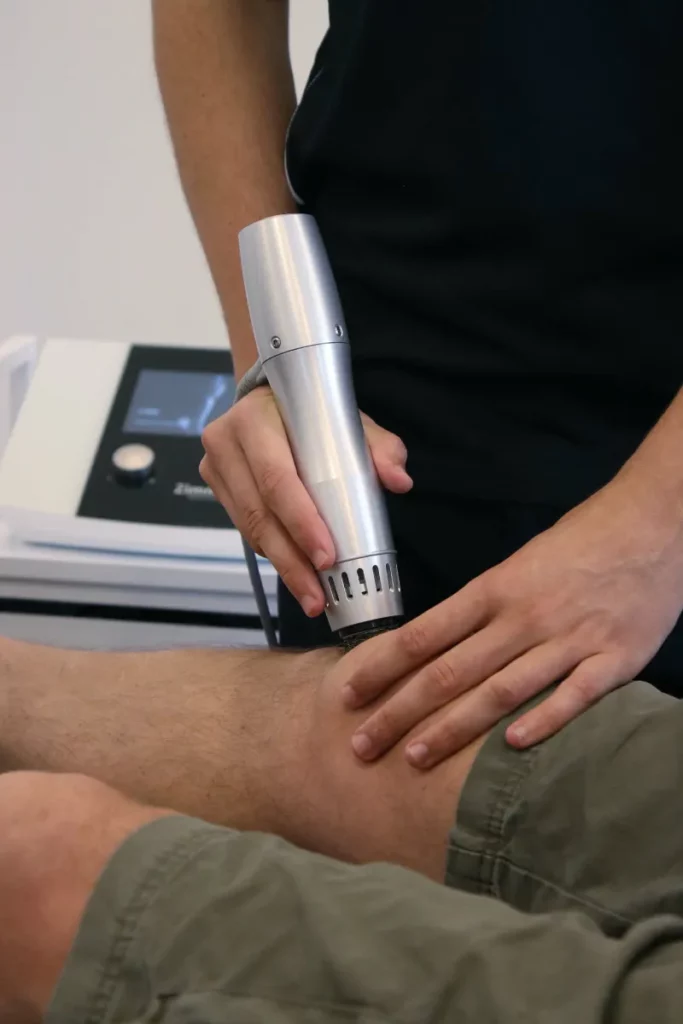
Yes – for our experienced team, the knee is one of the most straightforward joints to assess, diagnose and treat. If knee pain is stopping you doing what you love, or being as active as you need to be, don’t delay getting it looked at. Your treatment may focus on:
- Reducing swelling, pain and restoring your normal range of motion
- Building strength and control around the knee
- A safe return to full function, work and sport
Book an appointment and we’ll assess your injury, give you a clear picture of what’s going on, and set out the exact steps you need to take to get better.
Not sure what to do next?
- Ready to get started? → Book Your Knee Pain Assessment
- Dealing with a running injury? → Read About Running Injuries
- A sports injury? → Read About Sports Injuries
- Need ongoing support building strength? → Learn About Exercise Rehabilitation