
More about foot & ankle pain
Your feet and ankles carry your full bodyweight with every step, so it’s no surprise they’re prone to injury and overuse. We always start with a full assessment, so we can identify exactly what’s driving your symptoms and build the right plan to resolve them. Here are some of the most common foot and ankle conditions we see:
- Plantar fasciitis (pain in the arch or heel of the foot)
- Calcaneal bursitis (pain in the heel)
- Metatarsalgia (pain in the ball of the foot)
- Morton’s neuroma (pins and needles or numbness in the toes)
- Tendon injuries, such as Achilles or tibialis posterior tendinopathy (Shockwave can be great for these issues)
- Ankle sprains, both acute ad repeated
- Arthritis
- Rehab and recovery after ankle fractures

Foot and ankle pain can feel limiting, particularly if it’s affecting your walking or training, but the great majority of cases respond well to the right treatment. Part of our role is helping you understand exactly what’s going on, clearly and confidently. Clinically reviewed by Paul Baker MCSP, Co-founder & Clinical Director at goPhysio.

Many thanks to Connie, Paul & Sophie for helping me to get back on my feet. After 6 months of suffering with miserable Plantar Fasciitis I am finally free of heel pain!
M. Crisp
Can physiotherapy help my foot or ankle pain?
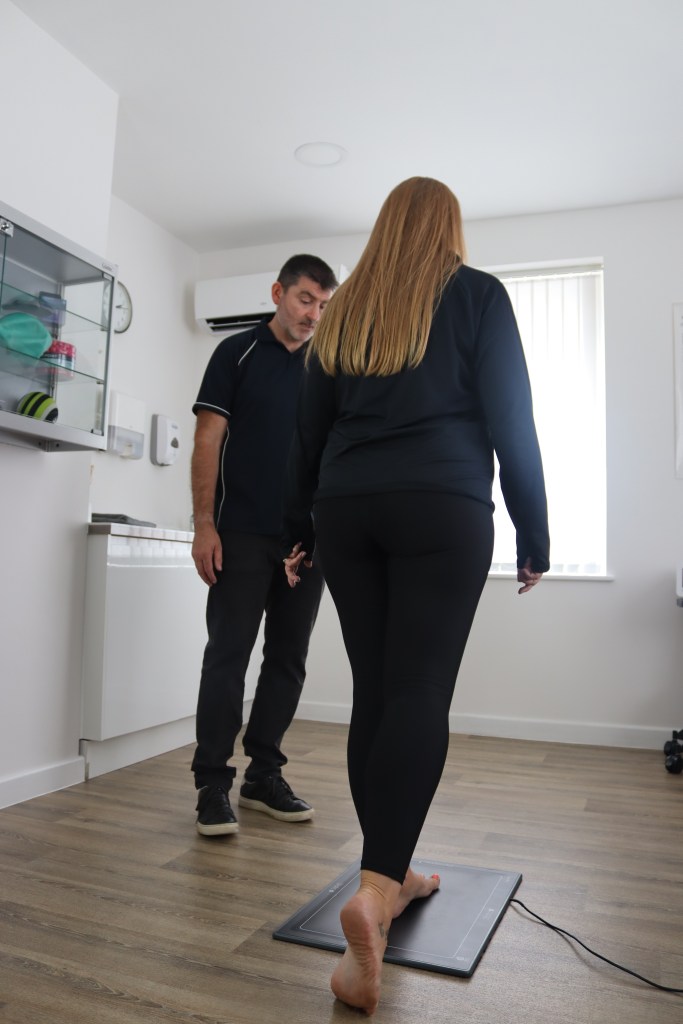
Yes – we always treat foot and ankle pain as part of the bigger picture, looking from the foot upwards and the hip downwards to make sure nothing else is contributing to the problem. Your treatment may include:
- Hands-on treatment, exercises, advice and education tailored to your condition
- Shockwave therapy for stubborn tendon problems like plantar fasciitis or Achilles tendinopathy
- Acupuncture
- A bespoke home exercise programme to speed up your recovery
- An assessment for customised orthotics (shoe insoles), if they’d help support your recovery
- Specialised exercise based rehab to help you fully get back to what you love
The goal throughout: get you back on your feet quickly, and reduce the risk of it happening again.
Not sure what to do next?
- Ready to get started? → Book Your Foot & Ankle Assessment
- Think it’s related to your training? → Read About Running Injuries
- Want to know more about shockwave therapy? → Learn About Shockwave Therapy