
Connie Caplen
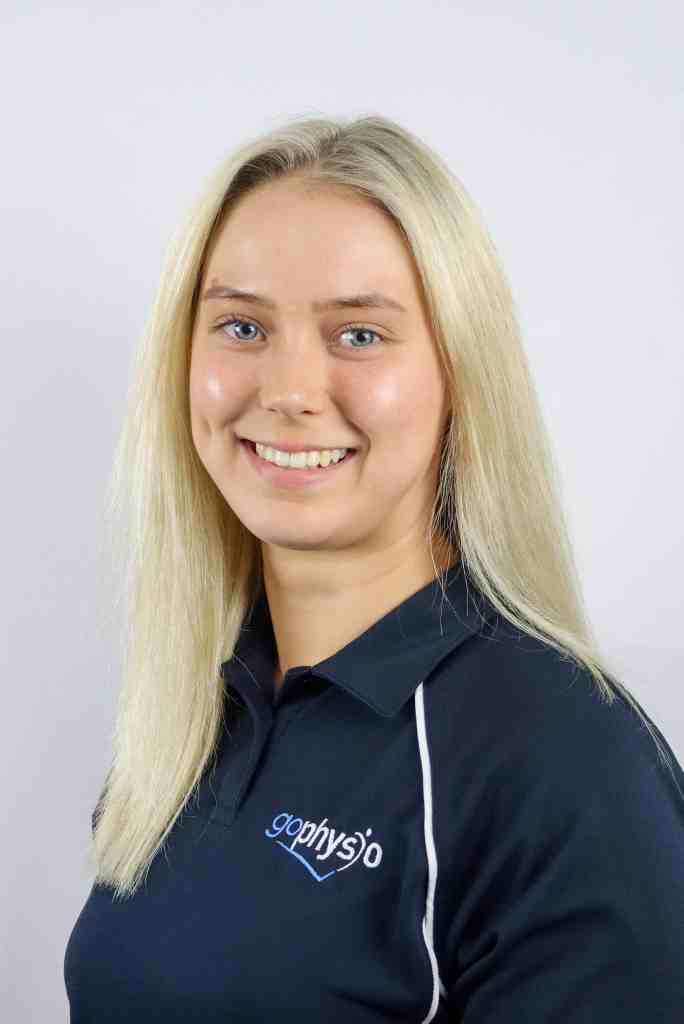
Connie Caplen
Chandlers ford
Ampfield meadows
Regulator
Registration No.
Professional Body Memberships
Primary Qualification
BSc (Hons) Sports Therapy, Bournemouth University (2023)
When someone first comes to see me, my approach is a clear structure so patients know exactly what to expect (sometimes this can change depending on how the patient presents)
Start with a conversation about what’s been going on—symptoms, lifestyle, and any past injuries. Then I assess how they move to understand what’s causing the issue.
From there, I explain what I think is happening in a straightforward, non-alarming way—the goal is to educate, not scare. Treatment may include hands-on techniques, simple exercises, and advice on how to manage things day to day.
A big part of my approach is setting clear goals together. I like to establish expectations from both sides, create smaller “mini goals” along the way, and track progress with objective measures (not just based on time). That way, there is a clear path and understanding of recovery going forward, rather than guessing what comes next.
Patients need to leave with exercises to work on at home (homework), so you’re actively involved in the recovery, not just relying on the hands-on. Education of I see them for 30mins a week, Sx may change throughout the week, the session is a snapshot
I focus on clarity, structure, and collaboration from the very first session. I try to take that uncertainty away. I’m very big on setting clear expectations from both sides, so they know what I’m working towards and what I need them to do. Setting meaningful goals early on, then break those down into smaller, realistic mini goals so patients can actually see progress as we go/monitor it at home themselves.
I measure things objectively where possible—not just “it feels a bit better,” but showing clear improvements in movement, strength, or function. And rather than focusing strictly on timelines, I focus on progress. Everyone recovers differently, so making sure they understand their own path and what milestones we’re aiming for.
Another key part is how I explain things. I don’t use jargon, try and explain in layman’s.—I want patients to leave understanding what’s going on with their body and why we’re doing what we’re doing. The aim is to educate and give them confidence, not make them feel like something is seriously wrong.
Education is the most important factor in helping patients recover is education/empathy.
If you understand what’s going on with your body, why it’s happening, and what actually helps, everything else becomes more effective. It takes away fear and uncertainty, and replaces it with confidence and direction.
When patients feel informed and involved, they’re much more consistent, more confident in their movements, and ultimately recover better.