
If it feels like Reformer Pilates is everywhere right now, you’re not imagining it!
From social media feeds to new studios popping up across the UK, Reformer Pilates has quickly become one of the fastest-growing ways to exercise. And for many people, it’s been a genuinely positive shift. Moving away from high-impact, high-intensity workouts towards something more controlled, considered, and sustainable.
But with that rapid growth has also come confusion… and in some cases, risk.
So if you’re wondering whether Reformer Pilates is right for you, here’s what you actually need to know.
What is Reformer Pilates?
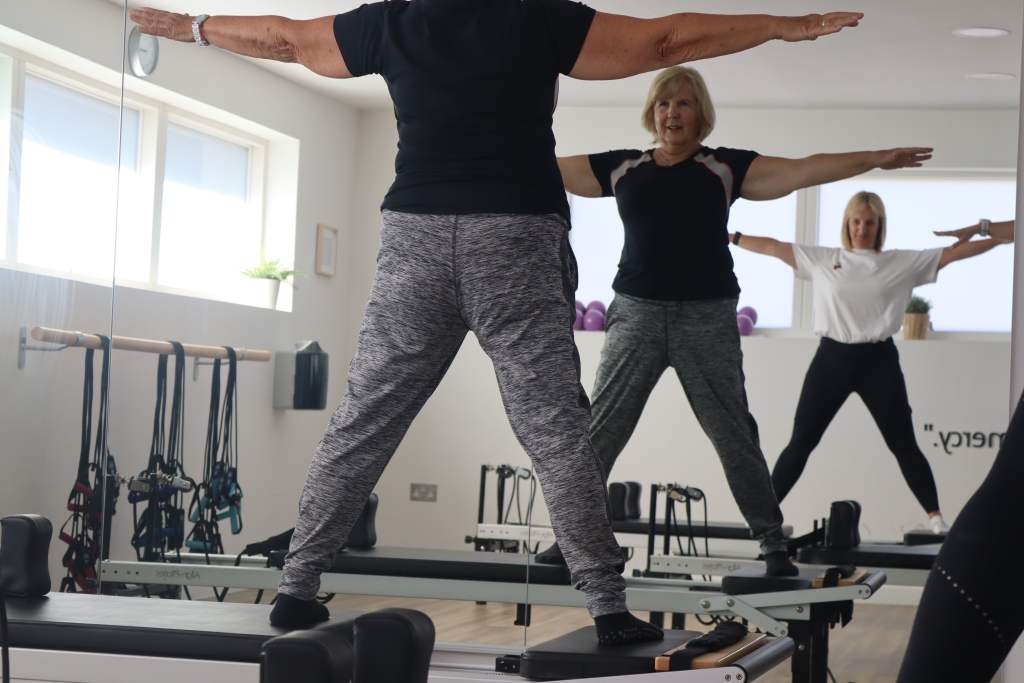
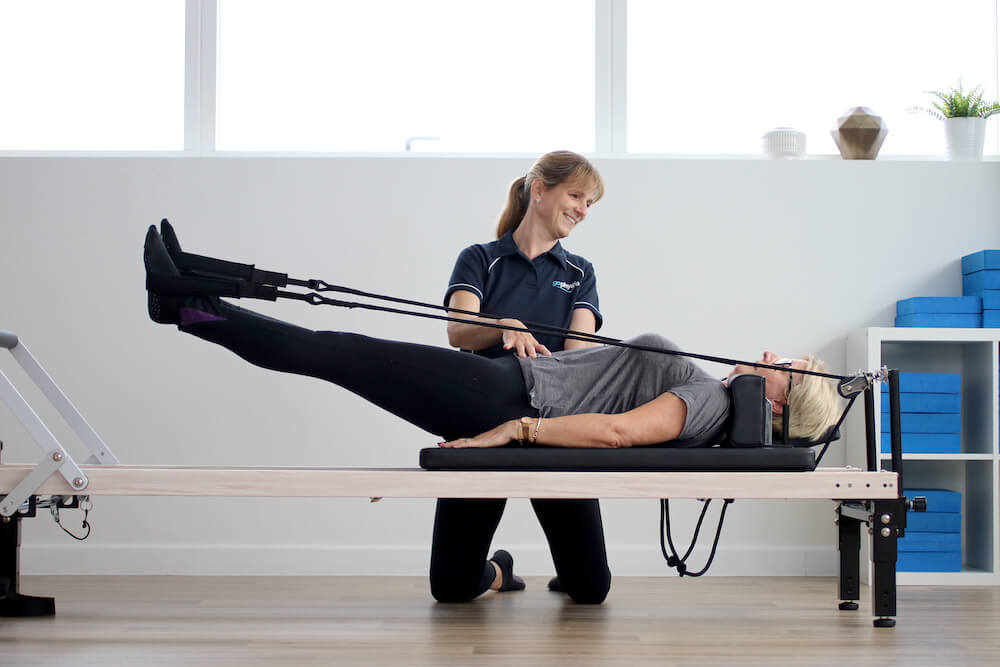
Reformer Pilates uses a specialist piece of equipment (the reformer) made up of a moving carriage, springs, ropes and pulleys. It allows for:
- Controlled resistance training
- Support where your body needs it
- A wide range of exercises targeting strength, mobility and control
For many people, it feels very different to a gym workout – slower, more precise, but often more challenging than expected.
Why is it suddenly so popular?
There are a few key reasons behind the surge:
1. A shift towards smarter training
More people are moving away from “no pain, no gain” and towards exercise that supports long-term health, strength and movement quality.
2. It looks accessible (but still aspirational)
Reformer Pilates is often seen as low impact and beginner-friendly, while still delivering visible results.
3. Social media has amplified it
There’s no denying platforms like Instagram and TikTok have played a huge role in its popularity — but they don’t always show the full picture.
What most people get wrong about Reformer Pilates
This is where it’s important to pause. Because while Reformer Pilates can be incredibly effective… not all classes are created equal.
1. “It’s gentle, so it must be safe”
Reformer Pilates is low impact, but that doesn’t automatically mean low risk.The springs create resistance, the carriage moves, and exercises require control and alignment. Without proper guidance, it’s easy to compensate, overload the wrong areas, or aggravate existing issues.
2. “All instructors are highly trained”
This is one of the biggest misconceptions. The reality is:
- There is currently no single governing standard for Pilates instructors
- Training courses can vary hugely from comprehensive clinical training (like our team do with the APPI) to very short courses
That means the quality of teaching (and safety of classes) can differ significantly between studios.
3. “More people in a class = better value”
Larger classes might seem appealing, but they come with trade-offs:
- Less individual attention
- Fewer corrections
- Reduced ability to tailor exercises
With something as technique-driven as Pilates, this matters more than people often realise. And that’s why we keep our classes really small.
4. “It’s just a fitness trend”
Reformer Pilates may be trending, but it’s not new. It has long been used in:
- Rehabilitation
- Injury recovery
- Strength and conditioning
- Long-term movement health
The trend is simply bringing it into the mainstream.
So what should you look for in a Reformer Pilates class?
If you’re thinking about trying it, here are a few things worth considering:
- Instructor background → Do they have clinical training or experience working with injuries?
- Class size → Will you get individual guidance and corrections?
- Approach → Is it focused on technique and progression, or just getting through exercises?
- Your goals → Are you looking for general fitness, or do you have specific aches, pains or concerns?
Why physio-led or ‘Clinical’ Reformer Pilates is different
At goPhysio, our approach to Pilates is shaped by our clinical background. That means:
- Classes are kept small so we can coach properly
- Exercises are adapted to the individual, not just delivered as a group routine
- We focus on how you move, not just what you do
- It’s designed to support people with pain, injury, or those wanting to prevent it
For many people, that’s the difference between:
👉 just doing Pilates
👉 and actually getting the results they’re looking for
Is Reformer Pilates right for you?
For most people, yes, it can be a brilliant option. It’s particularly helpful if you:
- Want to build strength without high impact
- Are returning from injury or managing ongoing pain
- Feel stuck in a cycle of “start-stop” exercise
- Want something sustainable you can stick with
But like anything, the environment and guidance you choose matters.
Final thoughts
Reformer Pilates deserves its popularity, when it’s done well. But as with any fast-growing trend, it’s worth looking beyond the surface. The right class, with the right level of guidance, can be genuinely transformative.
The wrong one can leave you frustrated or worse, set you back.
Thinking of giving it a try?
If you’re local to Chandlers Ford or Eastleigh, our physio-led, clinical Reformer Pilates sessions are designed to help you build strength, move better, and feel more confident in your body.
Just get in touch with our team to find the right starting point for you by filling out this form or calling us on 023 8025 3317.
Read more here……
